Beating Broke

Personal Finance from the Broke Perspective

  • Home
  • About
  • We Recommend
  • Contact
  • Our Editorial Commitment

Powered by Genesis

The Summer Budget Leak Costing Families Hundreds: 7 Expenses to Cut Before July

June 25, 2026 By Evan Morgan Leave a Comment

Summer Budget
A family should review household expenses while planning summer activities, highlighting the seven common spending leaks that can quietly cost hundreds before July. (Pexels).

Summer has a way of making money disappear faster than almost any other season. Longer days, school breaks, vacations, and outdoor activities often lead families to spend far more than they planned without realizing it. Even small purchases can quietly add up over a few weeks, leaving many households wondering where their paycheck went. By identifying a few common spending leaks before July arrives, you can keep more money in your pocket without sacrificing summer fun.

1. Unplanned Dining Out

Eating out becomes more tempting during summer when schedules are less structured and everyone wants a quick meal after activities. The problem is that restaurant meals, takeout, and coffee stops can easily add hundreds of dollars to a monthly budget. According to consumer spending data, Americans continue spending significantly more on food away from home, making this one of the easiest categories to trim. Packing snacks for road trips, planning simple weeknight meals, and limiting restaurant visits to once a week can produce noticeable savings. Small changes in this category often free up money without making families feel deprived.

2. Forgotten Streaming and Subscription Services

Many households pay for subscriptions they rarely use, especially when routines change during summer. Streaming platforms, fitness apps, meal kits, gaming memberships, and premium delivery services can quietly drain your bank account every month. Take 15 minutes to review your bank or credit card statement and cancel anything that hasn’t been used recently. If there’s a service you only need occasionally, pause it instead of paying year-round. Those monthly charges may seem minor individually, but together they can easily exceed $300 annually.

3. High Energy Bills

Air conditioning is often unavoidable, but there are simple ways to prevent utility bills from skyrocketing. Raising the thermostat just a couple of degrees while you’re away, using ceiling fans, and closing blinds during the hottest part of the day can noticeably reduce electricity use. Replacing dirty HVAC filters also helps cooling systems run more efficiently. Families are often surprised that a few small adjustments can lower monthly energy costs without sacrificing comfort. The goal isn’t to sweat through the summer but to use cooling more efficiently.

4. Impulse Summer Shopping

Summer sales make it easy to convince yourself that every purchase is a bargain. Patio décor, outdoor toys, seasonal clothing, and vacation gadgets often end up in shopping carts without much thought. Before buying anything, wait at least 24 hours and ask whether the item will still be useful after the season ends. Shopping with a written list instead of browsing can dramatically reduce impulse purchases. Delaying just a handful of unnecessary purchases can keep your summer budget on track.

5. Expensive Entertainment

Summer memories don’t have to come with premium price tags. Frequent amusement park visits, costly attractions, and multiple paid outings every weekend can quickly overwhelm a family budget. Instead, look for free concerts, community festivals, hiking trails, splash pads, public beaches, or library programs that offer entertainment at little or no cost. Planning one special paid activity each month while filling the remaining weekends with affordable alternatives creates a better balance. Many families discover the best memories come from simple experiences rather than expensive tickets.

6. Vacation Overspending

Vacation costs often exceed expectations because travelers focus on airfare or hotels while overlooking food, parking, souvenirs, and entertainment. Creating a daily spending limit before leaving helps prevent unpleasant surprises when returning home. Bringing reusable water bottles, packing breakfasts, and choosing accommodations with a kitchenette can significantly reduce food expenses. Booking activities ahead of time also helps avoid paying higher last-minute prices. A vacation should create memories, not lingering credit card debt.

7. Last-Minute Back-to-School Purchases

Although school may seem far away, July arrives faster than most parents expect. Waiting until August to buy supplies often means paying higher prices and competing with crowds. Setting aside a small amount each week during early summer spreads out the financial burden. Taking advantage of seasonal sales throughout June and July also helps reduce overall costs. Planning ahead prevents one of the biggest financial surprises families face every year.

Keep More of Your Summer Budget Where It Belongs

The biggest threat to your summer budget isn’t usually one large purchase but dozens of small expenses that seem harmless on their own. Reviewing your spending now gives you time to make adjustments before July’s costs begin piling up. Even cutting back in just two or three categories could save several hundred dollars over the course of the summer. The goal isn’t to eliminate fun but to spend intentionally so your money supports the experiences that matter most.

Which summer expense surprises you the most each year, and what money-saving tip has worked best for your family? Share your thoughts and join the conversation in the comments below.

What to Read Next

Three Budget-Killers Draining Households in 2026

Budget-Friendly Ways to Renovate Your Home

Roof Replacement on a Budget: What to Know Before You Panic

Evan Morgan
Evan Morgan has been a full-time freelance writer and editor for 10+ years. When not working, he enjoys catching the latest true crime documentary or getting lost in a good book.

Filed Under: budgeting Tagged With: budgeting, Budgeting Tips, family finances, financial planning, household expenses, Money-Saving Tips, Personal Finance, save money, summer budget, summer spending

14 Ways You’re Wasting Money on DoorDash and How to Stop

July 3, 2024 By Latrice Perez Leave a Comment

DoorDash is a convenient way to get food delivered right to your door, but it can also lead to unnecessary expenses if you’re not careful. Here are 14 ways you might be wasting money on DoorDash and practical tips to help you save.

1. Not Using Promo Codes

Promo codes are frequently available but often overlooked. By taking a few minutes to search for current promo codes, you can save a significant amount on your orders. Websites like RetailMeNot or Honey can help you find the latest discounts.

2. Ignoring Membership Programs

If you use DoorDash regularly, consider subscribing to DashPass. This membership program offers benefits like free delivery and reduced service fees on eligible orders. The monthly fee often pays for itself after just a few orders, making it a worthwhile investment.

3. Ordering During Peak Times

Delivery fees and surge pricing can be higher during peak hours. By ordering during off-peak times, you can avoid these extra costs. Planning your meals ahead can help you dodge these higher fees and save money.

4. Not Taking Advantage of Free Delivery Offers

Many restaurants offer free delivery promotions, especially for first-time customers. Keep an eye out for these deals and plan your orders accordingly. Free delivery can significantly reduce the overall cost of your meal.

5. Adding Too Many Extras

It’s easy to get carried away with adding sides, drinks, and desserts to your order. These extras can quickly increase your total cost. Stick to the essentials to keep your spending in check.

6. Forgetting About Service Fees

Service fees are often added to your total without you noticing. These fees can add up over time, making each order more expensive than it initially appears. Be aware of these fees and factor them into your decision to order.

7. Not Comparing Prices

Some restaurants have different prices on DoorDash compared to their in-house menu. Always check the restaurant’s own website or call to compare prices before ordering through the app. This small step can save you from paying inflated prices.

8. Overlooking Pickup Options

Many restaurants offer the option to pick up your order instead of having it delivered. Choosing pickup can save you both delivery fees and tips. This option is particularly useful if the restaurant is nearby and convenient to reach.

9. Ignoring Bundle Deals

Some restaurants offer bundle deals that include multiple items at a discounted price. Look for these deals to get more value from your order. Bundles can provide a variety of food for less money than ordering items individually.

10. Forgetting About Leftovers

Ordering enough for leftovers can provide you with an additional meal, stretching your dollar further. Plan your orders with future meals in mind. This strategy not only saves money but also time on cooking and ordering again.

11. Not Using a Rewards Credit Card

Use a rewards credit card to pay for your orders. This way, you can earn points, cashback, or other rewards on every purchase. Over time, these rewards can add up to significant savings or benefits.

12. Ignoring Seasonal Promotions

DoorDash often runs seasonal promotions with significant discounts. Keep an eye out for these offers and take advantage of them. Seasonal promotions can provide substantial savings on your favorite meals.

13. Not Setting a Budget

It’s easy to lose track of how much you’re spending on food delivery. Set a monthly budget for DoorDash and stick to it to avoid overspending. A budget helps you manage your finances better and ensures you don’t spend more than you intend.

14. Forgetting to Tip Wisely

While tipping is important, over-tipping can add up. Tip reasonably based on the service and consider the delivery fee you’re already paying. Being mindful of your tips can help you save money over time.

Conclusion

By being mindful of these common pitfalls, you can enjoy the convenience of DoorDash without breaking the bank. Implementing these tips will help you make smarter choices and save money on your food deliveries. With a little planning and awareness, you can make DoorDash a more cost-effective part of your dining routine.

Latrice Perez

Latrice is a dedicated professional with a rich background in social work, complemented by an Associate Degree in the field. Her journey has been uniquely shaped by the rewarding experience of being a stay-at-home mom to her two children, aged 13 and 5. This role has not only been a testament to her commitment to family but has also provided her with invaluable life lessons and insights.

As a mother, Latrice has embraced the opportunity to educate her children on essential life skills, with a special focus on financial literacy, the nuances of life, and the importance of inner peace.

Filed Under: budget Tagged With: budgeting, DashPass, Delivery Fees, DoorDash, Food Delivery, Food Ordering, Leftovers, Money-Saving Tips, Promo Codes, Restaurant Deals, Rewards Credit Card, save money, Seasonal Promotions, Tipping

8 Ways Using Grocery Pickup Saves You Money

May 31, 2024 By Catherine Reed Leave a Comment

8 Ways Using Grocery Pickup Saves You Money

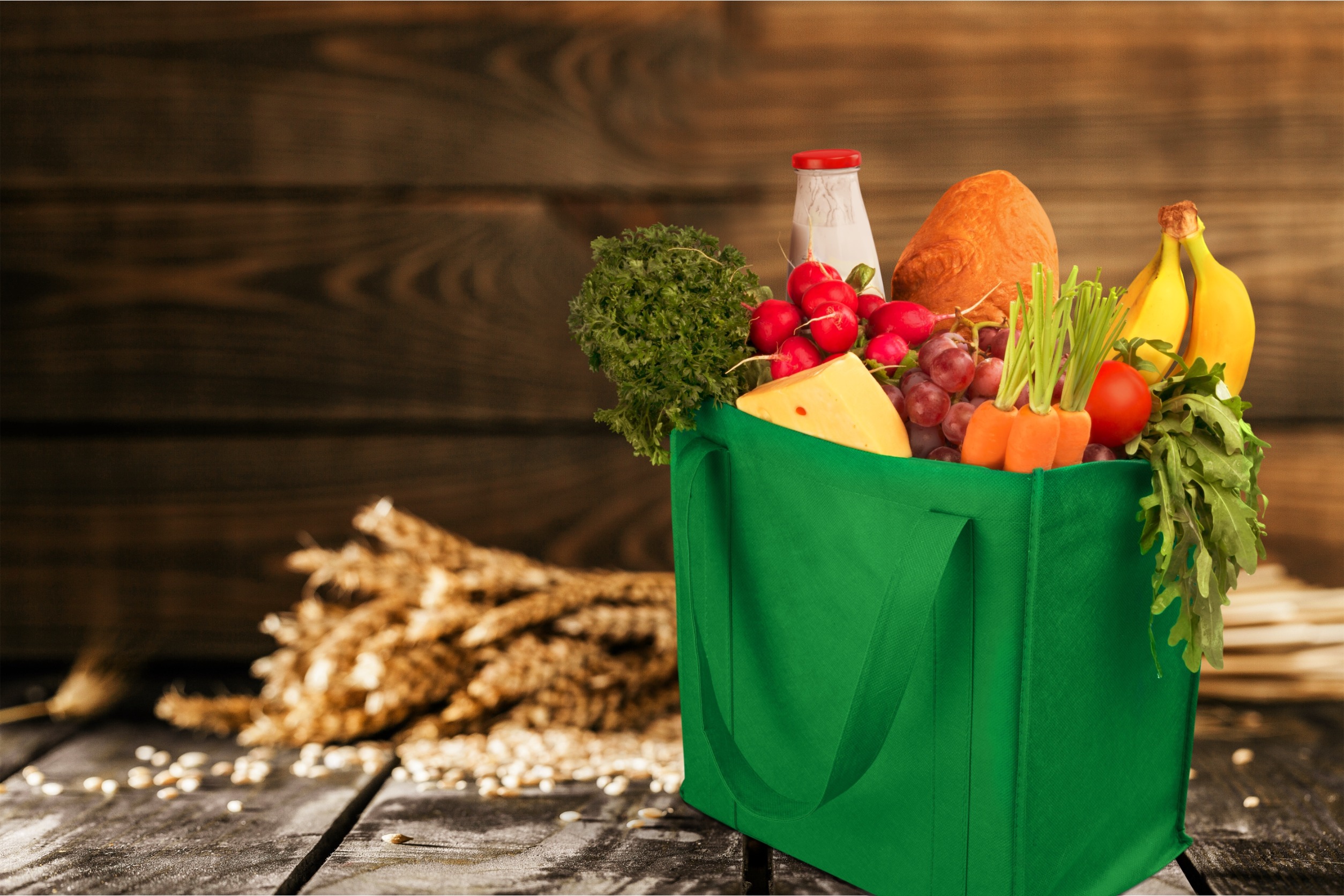
Grocery pickup has become a popular service, offering convenience and efficiency for busy individuals and families. Beyond the time-saving aspect, it also provides numerous financial benefits. As grocery prices fluctuate and household budgets tighten, finding ways to save money is crucial. Utilizing grocery pickup can significantly reduce expenses in various ways. Here are eight ways grocery pickup saves money and helps you manage your budget more effectively.

1. Reduces Impulse Purchases

Reduces Impulse Purchases

One of the most significant ways grocery pickup saves money is by reducing impulse purchases. When shopping in-store, it’s easy to be tempted by items you don’t need, leading to unnecessary spending. With grocery pickup, you order your items online and avoid browsing aisles filled with tempting products. This method helps you stick to your shopping list and budget.

2. Saves on Gas and Transportation Costs

Saves on Gas and Transportation Costs

Using store pickup can also save money on gas and transportation costs. Frequent trips to the grocery store can add up, especially with rising fuel prices. By consolidating your shopping into fewer trips with grocery pickup, you reduce the need to drive as often. This reduction in travel not only saves money on gas but also decreases wear and tear on your vehicle. Additionally, it saves you time, which can be just as valuable.

3. Helps You Stick to a Budget

Helps You Stick to a Budget

Grocery pickup helps you adhere to a budget by allowing you to see a running total of your purchases before checkout. This feature lets you adjust your cart to stay within your financial limits. Unlike in-store shopping, where you might not realize the total cost until you reach the register, online shopping offers transparency throughout the process. This awareness helps prevent overspending and encourages more mindful purchasing decisions.

4. Eliminates the Cost of Eating Out

Eliminates the Cost of Eating Out

By making grocery shopping more efficient and less time-consuming, grocery pickup reduces the temptation to eat out. With a well-stocked pantry and refrigerator, preparing meals at home is easier. Eating out frequently can quickly drain your budget, especially for larger families. Grocery pickup helps ensure you have the necessary ingredients, making home-cooked meals more accessible.

5. Takes Advantage of Online Coupons and Discounts

Takes Advantage of Online Coupons and Discounts

Many store pickup services offer online coupons and discounts that can be easily applied to your order. These digital savings are often more accessible than paper coupons and can lead to significant discounts. Additionally, some grocery stores offer exclusive promotions for online shoppers, providing further opportunities to save money. By regularly checking for digital deals and applying them to your order, you can reduce your overall grocery bill. In the end, utilizing these savings options makes grocery pickup an economical choice.

6. Minimizes Food Waste

Minimizes Food Waste

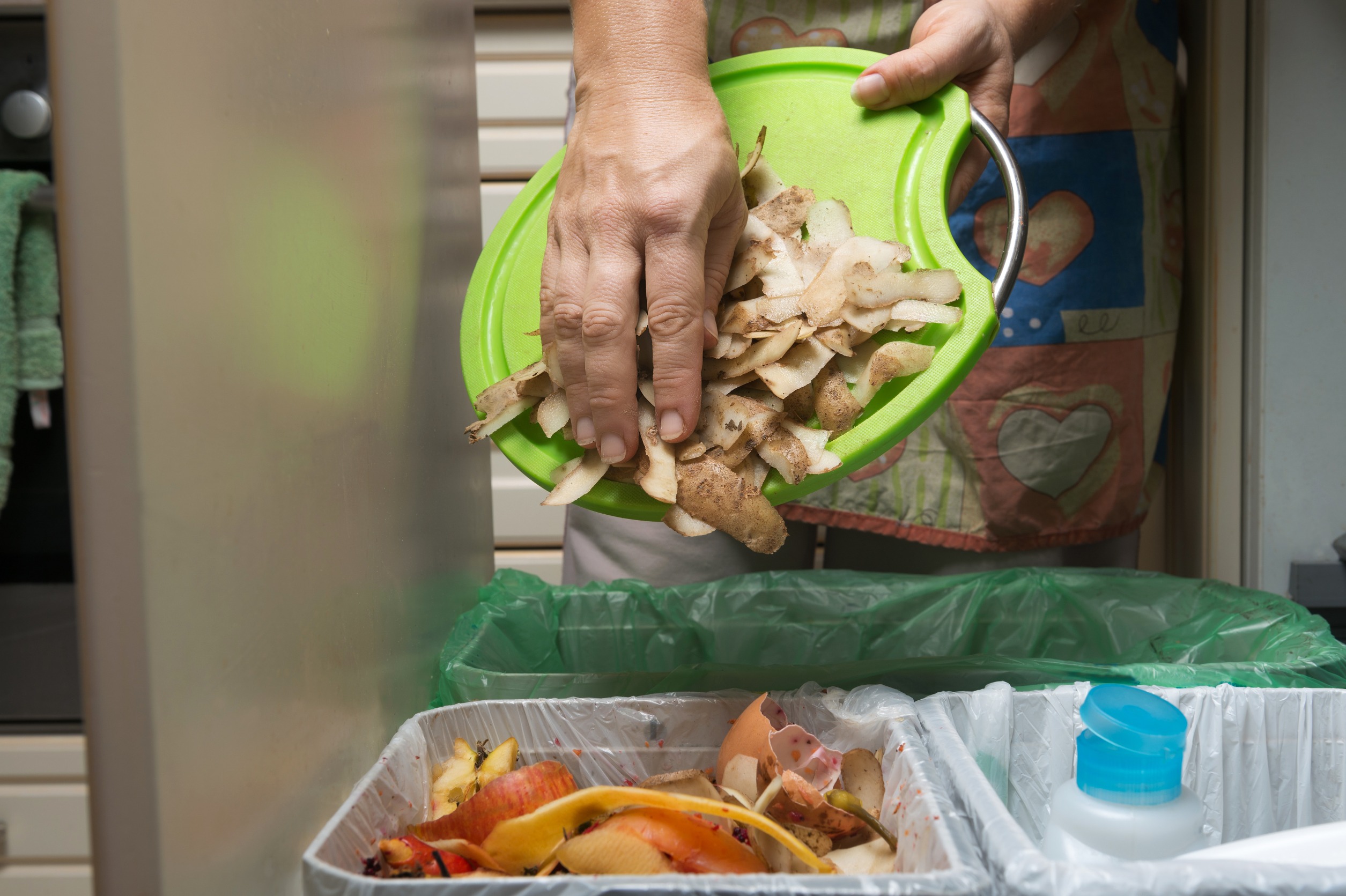
Using grocery pickup helps minimize food waste by allowing you to plan your meals and purchase only what you need. When you plan your shopping list based on specific meals, you are less likely to buy items that go unused. Reducing food waste directly translates to saving money, as you’re making the most out of every grocery dollar. Additionally, grocery pickup can help you avoid duplicate purchases, which often happen during in-store shopping.

7. Reduces the Temptation of In-Store Deals

Reduces the Temptation of In-Store Deals

In-store promotions and deals can often lead to unnecessary spending on items that weren’t on your shopping list. While these deals might seem like savings, they can add up to extra costs. Grocery pickup allows you to avoid these temptations and focus solely on the needed items. You can maintain better control over your spending by steering clear of in-store marketing tactics. This approach helps you avoid falling for deals that don’t truly benefit your budget.

8. Saves Time, Which Translates to Money

Saves Time, Which Translates to Money

Time is money, and grocery pickup saves you significant amounts of both. Ordering groceries online and picking them up at your convenience eliminates the need to spend hours shopping. This saved time can be used more productively, whether for work, family activities, or personal pursuits. Additionally, less time spent in-store means fewer opportunities to make unplanned purchases.

Using Grocery Pickup Can Really Save You Money!

Using Grocery Pickup Can Really Save You Money!

Grocery store pickup offers numerous advantages beyond convenience, particularly in saving money. By reducing impulse purchases, saving on transportation costs, helping you stick to a budget, eliminating the cost of eating out, taking advantage of online discounts, minimizing food waste, reducing the temptation of in-store deals, and saving time, grocery pickup proves to be a financially savvy choice. Embracing this modern shopping method can lead to more efficient and cost-effective grocery shopping, helping you manage your household budget better.

Read More:

13 Strategies for Avoiding Impulse Buys and Sticking to Your Grocery List

10 Quick Ways to Get Money In Your Hands Right Now

Catherine Reed
Catherine Reed

Catherine is a tech-savvy writer who has focused on the personal finance space for more than eight years. She has a Bachelor’s in Information Technology and enjoys showcasing how tech can simplify everyday personal finance tasks like budgeting, spending tracking, and planning for the future. Additionally, she’s explored the ins and outs of the world of side hustles and loves to share what she’s learned along the way. When she’s not working, you can find her relaxing at home in the Pacific Northwest with her two cats or enjoying a cup of coffee at her neighborhood cafe.

Filed Under: Groceries Tagged With: budgeting, food, groceries, grocery pickup, grocery shopping, meals, reduce expenses, save money

  • 1
  • 2
  • 3
  • Next Page »

Improve Your Credit Score

Money Blogs

  • Budget and the Bees
  • Celebrating Financial Freedom
  • Christian PF
  • Clever Dude
  • Dual Income No Kids
  • Everybody Loves Your Money
  • Financial Panther
  • Gajizmo.com
  • Grocery Coupon Guide
  • Lazy Man and Money
  • Make Money Your Way
  • Money Talks News
  • Personal Profitability
  • PF Blogs
  • Reach Financial Independence
  • Saving Advice
  • The Savvy Scot
  • Yes, I am Cheap

Categories

Disclaimer

Please note that Beating Broke has financial relationships with some of the merchants mentioned here. Beating Broke may be compensated if consumers choose to utilize the links located throughout the content on this site and generate sales for the said merchant.

Visit Our Advertisers

Need to change careers? Consider an Accounting Certificate Program from WTI.
  • Home
  • About
  • We Recommend
  • Contact
  • Our Editorial Commitment

Subscribe to our newsletter

Please enable JavaScript in your browser to complete this form.
Loading


Beating Broke Personal Finance from the Broke Perspective

All content on Beating Broke is for entertainment purposes only. By reading this blog, you agree that Beating Broke is not responsible for any actions taken after reading this blog. For the full disclaimer.

Financial Disclaimer

Please note that Beating Broke has financial relationships with some of the merchants mentioned here. Beating Broke is funded by banner advertising, commission sales and search optimization consulting.

Copyright © 2006-2026 Novara Unlimited LLC | All Rights Reserved. |
Privacy Policy | Terms of Service
Beating Broke is operated by Novara Unlimited LLC