
Beating Broke

Personal Finance from the Broke Perspective

  • Home
  • About
  • We Recommend
  • Contact
  • Our Editorial Commitment

Powered by Genesis

12 Phrases You Should Never Use With People From Up North

May 30, 2024 By Catherine Reed Leave a Comment

12 Phrases You Should Never Use With People From Up North

People from different regions often have distinct cultures, customs, and sensitivities. When interacting with people from up north, it’s essential to be mindful of phrases that might come across as ignorant or offensive. Whether you’re traveling, relocating, or simply engaging in conversation, avoiding specific phrases can help foster better communication and understanding. Here are 12 phrases you should never use with people from up north.

1. “How Do You Survive the Winters?”

How Do You Survive the Winters

Asking how people survive the winters up north can come across as condescending. Many residents have adapted to the cold weather and have developed ways to enjoy and thrive during the winter months. This question implies that their way of life is harsh or abnormal. Instead, express curiosity about their winter activities and lifestyle without framing it as a survival challenge.

2. “Is It Always Cold Up There?”

Is It Always Cold Up There

While the north is known for its cold winters, it also experiences a variety of weather conditions throughout the year. Summers can be warm, and the region enjoys all four seasons. Asking if it’s always cold diminishes the diversity of the climate and can come off as uninformed. Recognizing the full range of weather patterns shows a more nuanced understanding of the area.

3. “You Must Love Maple Syrup”

You Must Love Maple Syrup

Although maple syrup is a popular product in some northern regions, assuming everyone from up north is obsessed with it is a cliché. This phrase can reduce people to a stereotype based on a regional product. Appreciating local foods is great, but it’s essential to acknowledge that people’s tastes and interests are diverse. Avoiding such generalizations helps prevent oversimplifying a culture.

4. “Why Do You Have That Accent?”

Why Do You Have That Accent

Commenting on someone’s accent can make them feel self-conscious or judged. Accents are a natural part of linguistic diversity and reflect regional heritage. Asking why someone has an accent can imply that it is unusual or incorrect. Instead, appreciate the variety of accents and recognize them as part of what makes conversations interesting.

5. “Do You Know Everyone in Your Town?”

Do You Know Everyone in Your Town

Small towns may have tight-knit communities, but assuming everyone knows each other is an overgeneralization. Northern regions, like any other, have varying population sizes and degrees of social connectedness. Asking this question can come off as trivializing the complexity of social networks. Acknowledging that communities vary widely in size and interaction can lead to more respectful conversations.

6. “Are You Used to Living in the Middle of Nowhere?”

Are You Used to Living in the Middle of Nowhere

Labeling northern regions as “the middle of nowhere” dismisses the vibrant communities and cultures that exist there. This phrase can be offensive as it implies that northern areas are isolated or insignificant. Many northern regions have rich histories, bustling towns, and a strong sense of community. Recognizing the value and uniqueness of these areas fosters a more respectful dialogue.

7. “You Must Be Really Hardy to Live Up There”

You Must Be Really Hardy to Live Up There

While resilience is a valued trait, assuming that all northern residents are exceptionally hardy can be reductive. People live in northern regions for various reasons, not just because of their ability to withstand harsh conditions. This phrase can overlook the everyday normalcy of life in the north. Appreciating the adaptability and strengths of northern residents without stereotyping them is key.

8. “Isn’t It Always Dark There?”

Isn't It Always Dark There

Northern regions do experience unique daylight patterns, including long winter nights and extended summer days. However, assuming that it is always dark oversimplifies these natural phenomena. Understanding the specifics of how daylight varies can lead to more informed and respectful questions. Recognizing the beauty and challenges of these daylight patterns shows a deeper appreciation for the region.

9. “Do You Get Around by Dogsled?”

Do You Get Around by Dogsled

It is true that dog sledding is part of the cultural heritage of some areas, and some people participate in it recreationally. However, that doesn’t make this a wise question to ask. While potentially meant as a joke, asking people from up north if they use dogsleds as transportation likely won’t win you any fans. It plays into an outdated stereotype and aligns with an overly simplistic view of northern life.

10. “Isn’t There Nothing to Do Up There?”

Isn't There Nothing to Do Up There

Northern regions offer a variety of recreational and cultural activities, from outdoor sports to festivals and arts. Assuming that there is “nothing to do” diminishes the rich array of experiences available. This phrase can come across as dismissive and uninformed. Learning about and acknowledging the local attractions and activities shows respect for the region’s offerings.

11. “You Must See the Northern Lights All the Time”

You Must See the Northern Lights All the Time

While the northern lights are a spectacular phenomenon, they are not visible every night. Weather conditions, light pollution, and geographical location all affect visibility. Assuming that people from up north constantly see the aurora borealis can oversimplify their experiences. Appreciating the rarity and beauty of the northern lights without assuming their constant presence shows a more nuanced understanding.

12. “Isn’t It All Just Wilderness?”
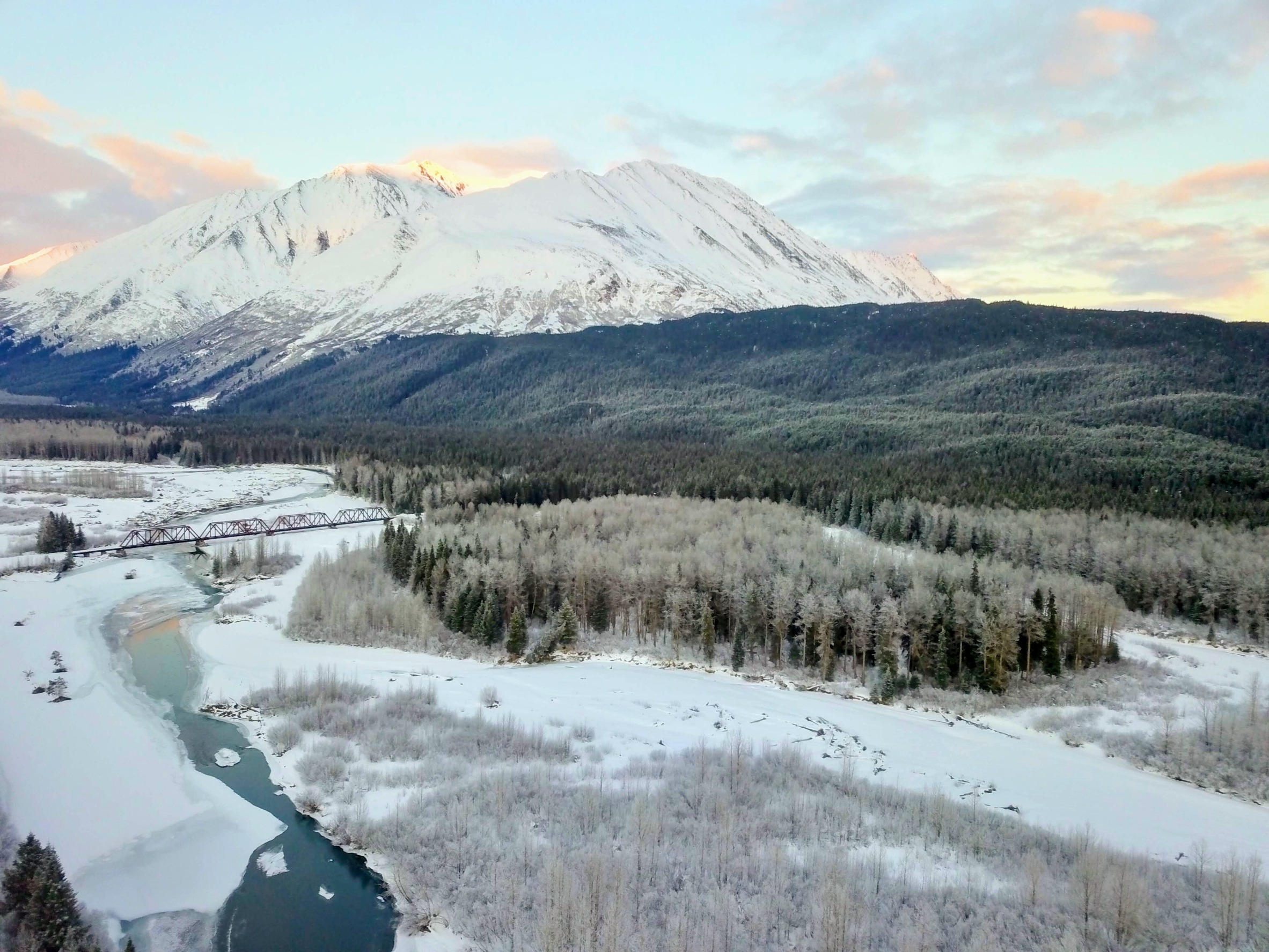
Isn't It All Just Wilderness

While northern regions do have vast natural landscapes, they also include developed cities, towns, and communities. Assuming that the north is only wilderness overlooks the complexities and advancements present in these areas. This phrase can be dismissive of the progress and modernization that northern regions have achieved. Recognizing both the natural beauty and urban development paints a more complete picture.

Say “No” to These Phrases When Talking to People from Up North!

Say “No” to These Phrases When Talking to People from Up North

Engaging in respectful and informed conversations with people from up north involves avoiding stereotypes and assumptions. By steering clear of these phrases, you can foster more meaningful interactions and show genuine interest in the region’s culture and diversity. Remember, appreciating the nuances of different areas leads to better understanding and respect for all.

Read More:

16 Old-Timey Phrases and Sayings That Would Sound Absurd to Gen Z Ears

15 Phrases That Give Away a Man’s Insecurities

Filed Under: ShareMe Tagged With: communication, culture, customs, language, phrases, social etiquette, social norms, up north

10 Uncomfortable Truths About Retirement No One Tells You About

May 29, 2024 By Shay Huntley Leave a Comment

Retirement is often portrayed as the golden years of one’s life—a time to relax, travel, and enjoy the fruits of decades of hard work. However, the reality can be quite different and sometimes jarring. As you approach retirement, it’s essential to understand the uncomfortable truths that are rarely discussed but can significantly impact your financial stability and overall well-being. In this article, we’ll uncover 10 uncomfortable truths about retirement no one tells you about, so you can better prepare for this major life transition.

1. Retirement Isn’t Always the Golden Years


Many envision retirement as a time of leisure. However, this isn’t always the case. Financial constraints often limit what retirees can do. Healthcare costs can consume savings rapidly. Additionally, many retirees feel a loss of purpose. These uncomfortable truths about retirement can surprise you.

2. Healthcare Costs Can Devour Savings

Medical expenses in retirement are often underestimated. Medicare doesn’t cover everything. Prescription drugs and treatments can be expensive. Long-term care is a significant cost for many. Planning for these expenses is crucial. Without preparation, healthcare costs can drain your retirement savings.

3. Social Security May Not Be Enough

It’s crucial to note that depending solely on Social Security for income can be risky. The benefits you receive may not be enough to cover your living expenses, as the amount is based on your earnings history. Additionally, cost-of-living adjustments are typically minimal, and any changes in Social Security policies could potentially impact your benefits. Therefore, it’s important to have other sources of income to rely on.

4. Inflation Erodes Your Purchasing Power

It’s important to keep in mind that inflation erodes the value of your savings over time. This means that the prices of goods and services increase every year, making it challenging for fixed incomes to keep up. Therefore, it’s crucial for your retirement savings to outpace inflation. Making wise investment decisions can help safeguard your purchasing power, so understanding inflation is vital for retirement planning.

5. Longevity Risk: Outliving Your Savings

People are living longer than ever before. This longevity risk means you might outlive your savings. Planning for a long retirement is necessary. Running out of money is a common fear among retirees. Strategies like annuities can provide steady income. Consider how long you might live when planning your finances.

6. Downsizing Isn’t Always Simple or Affordable

Many retirees plan to downsize their homes. However, selling a home can be challenging. Real estate markets fluctuate and moving costs can be higher than expected. Finding a suitable smaller home isn’t always easy. These factors make downsizing a complex decision.

7. Retirement Can Lead to Social Isolation

Work provides social interaction and a sense of community. Retirement often means losing these connections. Social isolation can lead to depression and health issues. It’s important to build and maintain social networks. Joining clubs or volunteering can help. Plan for your social needs as well as your financial ones.

8. Family Dynamics Can Change Drastically

Retirement can have a significant impact on family dynamics. Adult children may need financial support, and caring for aging parents can become a responsibility. Additionally, grandparents often play a significant role in childcare. These changes can lead to stress and tension, so it’s important to understand and prepare for these dynamics.

9. Retirement Planning Requires Constant Adjustment

Retirement planning isn’t a one-time task. It requires regular review and adjustment. Market conditions and personal circumstances change. Flexibility in your plan is essential. Seek professional advice periodically. Staying informed helps ensure your plan remains effective.

10. Not Everyone Wants to Retire

Surprisingly, many people don’t want to retire. Some continue working for financial reasons. Others enjoy their work and the sense of purpose it provides. Retirement isn’t a one-size-fits-all situation. Consider your personal desires and circumstances.

Ready to Face Retirement Head-On?

Planning for retirement involves facing some uncomfortable truths. The earlier you start, the better prepared you’ll be. Take control of your future today. Consult a financial advisor to secure your retirement.

Read More

14 Alternative Retirement Plans That Beat Florida’s Heat

Ready to Retire? Make Sure You’ve Hit These 9 Financial Milestones

Filed Under: Retirement Tagged With: aging issues, financial planning, retirement challenges, retirement myths, retirement planning, Uncomfortable Truths About Retirement

Unretiring: 9 Reasons Baby Boomers Return to the Workforce

May 29, 2024 By Catherine Reed Leave a Comment

Unretiring 9 Reasons Baby Boomers Return to the Workforce

In recent years, the trend of unretiring has become increasingly common among Baby Boomers. Many retirees are choosing to re-enter the workforce for various reasons, reflecting changes in economic conditions, personal aspirations, and societal norms. Understanding the motivations behind this trend can provide valuable insights into the evolving nature of retirement. Here are nine reasons why Baby Boomers are unretiring and returning to work.

1. Financial Necessity

Financial Necessity

One of the primary reasons for unretiring is financial necessity. Many Baby Boomers find their retirement savings insufficient to cover their living expenses. Rising healthcare costs, unexpected financial emergencies, and longer lifespans can deplete savings faster than anticipated. Returning to work helps alleviate financial pressures and provides a steady income stream. For some, unretiring is a practical solution to maintaining their standard of living.

2. Rising Healthcare Costs

Rising Healthcare Costs

Healthcare costs continue to rise, placing a significant burden on retirees. Medicare and other insurance plans may not cover all medical expenses, leading to out-of-pocket costs that strain fixed incomes. Unretiring can provide access to employer-sponsored health insurance, reducing the financial impact of medical bills. Additionally, extra income from working can help cover the cost of long-term care and other health-related expenses. Many Baby Boomers return to the workforce to ensure they have adequate healthcare coverage.

3. Social Engagement

Social Engagement

Retirement can lead to feelings of isolation and loneliness, as social interactions often decrease without the daily work routine. Unretiring offers an opportunity to stay socially active and connected with others. Returning to the workplace provides a sense of community and purpose, which can improve mental and emotional well-being. Many Baby Boomers seek the social benefits of working, finding fulfillment in their interactions with colleagues and customers. Staying engaged in the workforce helps combat the loneliness that can accompany retirement.

4. Intellectual Stimulation

Intellectual Stimulation

The desire for intellectual stimulation drives many Baby Boomers to unretire. Retirement can sometimes lead to boredom and a lack of mental challenges. Returning to work provides opportunities to learn new skills, solve problems, and stay mentally sharp. Engaging in meaningful work can keep the mind active and delay cognitive decline. For those who value continuous learning and intellectual growth, unretiring offers a way to satisfy these needs.

5. Sense of Purpose

Sense of Purpose

Many Baby Boomers find that retirement lacks the sense of purpose that a career provides. Work can offer a feeling of accomplishment and significance that is hard to replicate in retirement. Unretiring allows individuals to contribute to society, share their expertise, and achieve personal goals. The sense of purpose that comes from meaningful work can enhance overall life satisfaction. Baby Boomers often return to the workforce to reclaim a sense of purpose and direction.

6. Pursuing Passion Projects

Pursuing Passion Projects

For some Baby Boomers, unretiring is an opportunity to pursue passion projects or second careers. Retirement can provide the freedom to explore new interests and turn hobbies into paid work. Whether it’s starting a small business, engaging in creative endeavors, or entering an entirely new field, unretiring can be a gateway to fulfilling lifelong dreams. Many Baby Boomers return to the workforce to follow their passions and find joy in their work. This transition often brings a renewed sense of enthusiasm and fulfillment.

7. Supporting Family Members

Supporting Family Members

Supporting family members financially motivates some Baby Boomers to unretire. With children facing student loans, housing costs, and other financial challenges, retirees may feel compelled to help. Additionally, caring for aging parents or spouses with medical needs can require additional income. Returning to work provides the financial resources needed to support loved ones effectively. Unretiring becomes a way to ensure the well-being of family members and meet their needs.

8. Longevity and Health

Longevity and Health

As life expectancy increases, many Baby Boomers remain healthy and active well into their later years. The desire to stay productive and engaged drives some to unretire and continue working. Longer, healthier lives mean many retirees still have the energy and capability to contribute to the workforce. Working can provide structure and routine, positively impacting physical and mental health.

9. Economic Conditions

Economic Conditions

Economic conditions like inflation and market volatility can impact retirement plans. Fluctuating investment returns and changes in the cost of living can make fixed incomes less reliable. Unretiring provides a way to mitigate economic uncertainties and ensure financial stability. By re-entering the workforce, retirees can adjust to changing economic realities and protect their financial future. Essentially, the decision to unretire is influenced by the need to adapt to evolving financial landscapes.

Unretiring Is a Baby Boomer Trend for Many Reasons

Unretiring Is a Baby Boomer Trend for Many Reasons

The trend of unretiring among Baby Boomers reflects a combination of financial, social, and personal factors. Returning to the workforce solves financial challenges, healthcare costs, and the desire for social engagement and intellectual stimulation. Additionally, opportunities to pursue passions, support family members, and adapt to economic conditions motivate many to re-enter the job market. As life expectancy continues to rise and economic conditions evolve, the trend of unretiring is likely to remain significant for Baby Boomers seeking a fulfilling and secure retirement.

Read More:

11 Things Gen Z Can Teach Baby Boomers About Money

Searching for Love: 10 Ways Dating Is Different for Baby Boomers and Millennials

Filed Under: baby boomers Tagged With: baby boomer trend, baby boomers, career, Retirement, unretiring, workforce trend, working

  • « Previous Page
  • 1
  • …
  • 105
  • 106
  • 107
  • 108
  • 109
  • …
  • 399
  • Next Page »

Improve Your Credit Score

Money Blogs

  • Budget and the Bees
  • Celebrating Financial Freedom
  • Christian PF
  • Clever Dude
  • Dual Income No Kids
  • Everybody Loves Your Money
  • Financial Panther
  • Gajizmo.com
  • Grocery Coupon Guide
  • Lazy Man and Money
  • Make Money Your Way
  • Money Talks News
  • Personal Profitability
  • PF Blogs
  • Reach Financial Independence
  • Saving Advice
  • The Savvy Scot
  • Yes, I am Cheap

Categories

Disclaimer

Please note that Beating Broke has financial relationships with some of the merchants mentioned here. Beating Broke may be compensated if consumers choose to utilize the links located throughout the content on this site and generate sales for the said merchant.

Visit Our Advertisers

Need to change careers? Consider an Accounting Certificate Program from WTI.
  • Home
  • About
  • We Recommend
  • Contact
  • Our Editorial Commitment

Subscribe to our newsletter

Please enable JavaScript in your browser to complete this form.
Loading


Beating Broke Personal Finance from the Broke Perspective

All content on Beating Broke is for entertainment purposes only. By reading this blog, you agree that Beating Broke is not responsible for any actions taken after reading this blog. For the full disclaimer.

Financial Disclaimer

Please note that Beating Broke has financial relationships with some of the merchants mentioned here. Beating Broke is funded by banner advertising, commission sales and search optimization consulting.

Copyright © 2006-2026 Novara Unlimited LLC | All Rights Reserved. |
Privacy Policy | Terms of Service
Beating Broke is operated by Novara Unlimited LLC