Beating Broke

Personal Finance from the Broke Perspective

  • Home
  • About
  • We Recommend
  • Contact
  • Our Editorial Commitment

Powered by Genesis

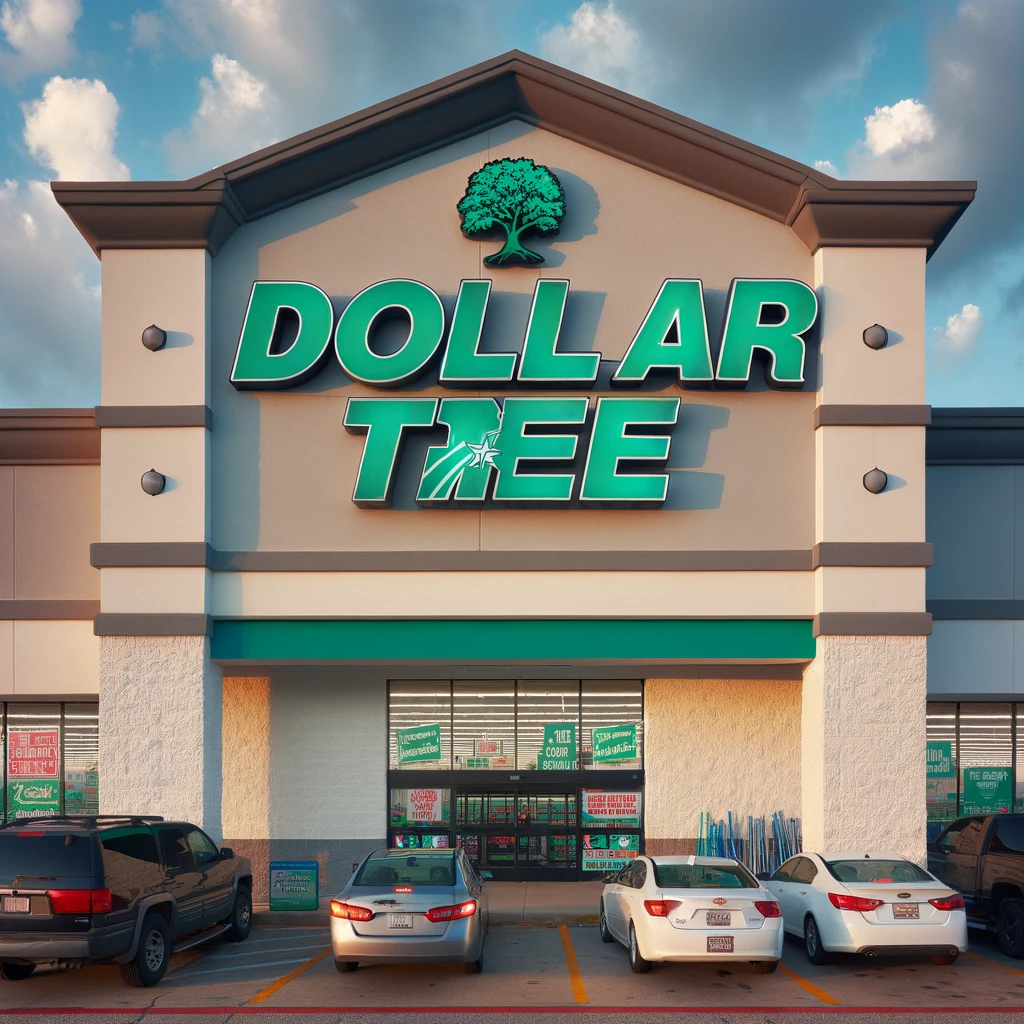
Dollar Tree Dilemma: 12 Grocery Items That Are Cheaper At Every Store Except Dollar Tree

May 31, 2024 By Shay Huntley Leave a Comment

Shopping at Dollar Tree can be a great way to save money. However, not everything is a bargain. Here are 12 grocery items that are cheaper at other stores, despite Dollar Tree’s reputation for low prices. Understanding where to find the best deals can help you stretch your budget further.

1. Milk

Milk is a staple in many households, but buying it at Dollar Tree isn’t always economical. Dollar Tree typically sells smaller-sized milk cartons, usually around a quart in size. Grocery stores often have better deals, especially on larger cartons, such as half gallons or gallons.

2. Bread

Bread is another grocery item that’s typically more affordable at places other than Dollar Tree. Many grocery stores offer store-brand bread at lower prices, especially when on sale. Additionally, the variety and freshness of bread tend to be better at supermarkets. Look for deals and coupons to save even more.

3. Cereal

Dollar Tree sells smaller boxes of cereal, making the cost per ounce higher. Supermarkets and big-box stores often have sales and larger boxes, which provide better value. Comparing unit prices can reveal that you’re getting a much better deal elsewhere. Stock up during sales for maximum savings.

4. Pasta

Pasta is usually cheaper at grocery stores, especially when bought in bulk or on sale. Dollar Tree offers smaller packages, leading to a higher price per pound. Look for sales at your local supermarket, where you can often find pasta for under a dollar per pound. This basic pantry item is a great example of where you can save more by shopping smart.

5. Canned Vegetables

Other stores typically have better prices on canned vegetables compared to Dollar Tree due to their larger size and purchasing power. These stores often buy in larger quantities, allowing them to negotiate lower prices from suppliers. Additionally, regular supermarkets may have their brands of canned vegetables, which can be more competitively priced compared to Dollar Tree’s smaller-sized offerings.

6. Condiments

Condiments like ketchup, mustard, and mayonnaise are often priced higher at Dollar Tree when considering the size. Supermarkets often have larger bottles on sale, resulting in better value. Buying these items during sales or using coupons can lead to significant savings. I like to get mine on BOGO from Publix.

7. Snacks

When it comes to snacks, the variety offered at Dollar Tree might catch your eye with its low prices. However, grocery stores generally provide better value. At Dollar Tree, you’ll often find generic or unbranded snacks that may be enjoyable, but if you have a preference for specific brands, you’ll be out of luck. So, while Dollar Tree’s snacks may be tempting, it’s worth exploring other options for a wider variety and potentially better quality.

8. Juice

Dollar Tree has a lot of juice options. From Hugs to Rap Snap drinks, they tend to have it all. While you will find bottled Coke and Pepsi products, there are a lot of other drinks that don’t measure up. Hugs, 100% juice boxes, and Martha’s Apple juice come in smaller packages.  Grocery stores frequently have sales and offer larger sizes, making them more economical.

9. Frozen Selection

Dollar Tree’s frozen selection, which includes vegetables, entrees, and snacks, has seen a significant rise in prices, from $1 to between $3-$5. I find that Grocery stores often offer larger packages or better deals on frozen items, especially when on sale. You can find frozen Veggies at Kroger and either grocer for under $2 every day. You can even utilize promotions, to find better value at supermarkets.

10. Batteries

Remember, batteries tend to be pricier at Dollar Tree compared to other stores. Supermarkets and large retailers often offer sales or bulk packages that give you more bang for your buck. Additionally, the quality of Dollar Tree batteries may not be as high, resulting in a shorter lifespan. Keep an eye out for discounts on reputable brands to save money.

11. Vitamins and Medicines

Vitamins and over-the-counter medicines are often cheaper and of higher quality at pharmacies or big-box stores. Dollar Tree’s options are limited and may not offer the same potency or reliability. Not to mention, most named brand medicines offer a limited quantity of pills. For health-related products, it’s worth investing in better quality at competitive prices found at other retailers.

12. Spices

Spices at Dollar Tree may seem cheap, but the smaller containers result in a higher cost per ounce. Grocery stores and bulk retailers often have better deals on spices. Look for sales and buy larger quantities to save more. This is one area where quality and value can be found elsewhere.

Save Even More

While Dollar Tree offers many affordable items, these 12 grocery staples are often cheaper at other stores. By being a savvy shopper and comparing prices, you can ensure you’re getting the best deals. Keep an eye on sales and consider buying in bulk to maximize your savings. By following these tips and being aware of where to find the best deals, you can save more on your grocery shopping and make the most of your budget.

Read More

14 Misleading Grocery Marketing Tactics and How to Avoid Them

How Avoiding Vanity Has Saved Me Thousands of Dollars

Shay Huntley
Shay Huntley

Shatel Huntley has a Bachelor’s degree in Criminal Justice from Georgia State University. In her spare time, she works with special needs adults and travels the world. Her interests include traveling to off-the-beaten-path destinations, shopping, couponing, and saving.


Filed Under: Groceries Tagged With: Budget Shopping, Cost Comparison, Dollar Store Deals, Dollar Tree, Grocery Savings, Shopping Tips

10 Uncomfortable Truths About Retirement No One Tells You About

May 29, 2024 By Shay Huntley Leave a Comment

Retirement is often portrayed as the golden years of one’s life—a time to relax, travel, and enjoy the fruits of decades of hard work. However, the reality can be quite different and sometimes jarring. As you approach retirement, it’s essential to understand the uncomfortable truths that are rarely discussed but can significantly impact your financial stability and overall well-being. In this article, we’ll uncover 10 uncomfortable truths about retirement no one tells you about, so you can better prepare for this major life transition.

1. Retirement Isn’t Always the Golden Years


Many envision retirement as a time of leisure. However, this isn’t always the case. Financial constraints often limit what retirees can do. Healthcare costs can consume savings rapidly. Additionally, many retirees feel a loss of purpose. These uncomfortable truths about retirement can surprise you.

2. Healthcare Costs Can Devour Savings

Medical expenses in retirement are often underestimated. Medicare doesn’t cover everything. Prescription drugs and treatments can be expensive. Long-term care is a significant cost for many. Planning for these expenses is crucial. Without preparation, healthcare costs can drain your retirement savings.

3. Social Security May Not Be Enough

It’s crucial to note that depending solely on Social Security for income can be risky. The benefits you receive may not be enough to cover your living expenses, as the amount is based on your earnings history. Additionally, cost-of-living adjustments are typically minimal, and any changes in Social Security policies could potentially impact your benefits. Therefore, it’s important to have other sources of income to rely on.

4. Inflation Erodes Your Purchasing Power

It’s important to keep in mind that inflation erodes the value of your savings over time. This means that the prices of goods and services increase every year, making it challenging for fixed incomes to keep up. Therefore, it’s crucial for your retirement savings to outpace inflation. Making wise investment decisions can help safeguard your purchasing power, so understanding inflation is vital for retirement planning.

5. Longevity Risk: Outliving Your Savings

People are living longer than ever before. This longevity risk means you might outlive your savings. Planning for a long retirement is necessary. Running out of money is a common fear among retirees. Strategies like annuities can provide steady income. Consider how long you might live when planning your finances.

6. Downsizing Isn’t Always Simple or Affordable

Many retirees plan to downsize their homes. However, selling a home can be challenging. Real estate markets fluctuate and moving costs can be higher than expected. Finding a suitable smaller home isn’t always easy. These factors make downsizing a complex decision.

7. Retirement Can Lead to Social Isolation

Work provides social interaction and a sense of community. Retirement often means losing these connections. Social isolation can lead to depression and health issues. It’s important to build and maintain social networks. Joining clubs or volunteering can help. Plan for your social needs as well as your financial ones.

8. Family Dynamics Can Change Drastically

Retirement can have a significant impact on family dynamics. Adult children may need financial support, and caring for aging parents can become a responsibility. Additionally, grandparents often play a significant role in childcare. These changes can lead to stress and tension, so it’s important to understand and prepare for these dynamics.

9. Retirement Planning Requires Constant Adjustment

Retirement planning isn’t a one-time task. It requires regular review and adjustment. Market conditions and personal circumstances change. Flexibility in your plan is essential. Seek professional advice periodically. Staying informed helps ensure your plan remains effective.

10. Not Everyone Wants to Retire

Surprisingly, many people don’t want to retire. Some continue working for financial reasons. Others enjoy their work and the sense of purpose it provides. Retirement isn’t a one-size-fits-all situation. Consider your personal desires and circumstances.

Ready to Face Retirement Head-On?

Planning for retirement involves facing some uncomfortable truths. The earlier you start, the better prepared you’ll be. Take control of your future today. Consult a financial advisor to secure your retirement.

Read More

14 Alternative Retirement Plans That Beat Florida’s Heat

Ready to Retire? Make Sure You’ve Hit These 9 Financial Milestones

Shay Huntley
Shay Huntley

Shatel Huntley has a Bachelor’s degree in Criminal Justice from Georgia State University. In her spare time, she works with special needs adults and travels the world. Her interests include traveling to off-the-beaten-path destinations, shopping, couponing, and saving.

Filed Under: Retirement Tagged With: aging issues, financial planning, retirement challenges, retirement myths, retirement planning, Uncomfortable Truths About Retirement

14 Misleading Grocery Marketing Tactics and How to Avoid Them

May 27, 2024 By Shay Huntley Leave a Comment

Grocery shopping can often feel like navigating a minefield of marketing tactics designed to coax more dollars out of your wallet. From eye-catching displays to strategic pricing, supermarkets use a variety of techniques that can mislead even the savviest shoppers. In this article, we uncover 14 common misleading grocery marketing tactics. We also provide practical advice on how to sidestep these pitfalls and make informed choices.

1. High-Impact Placement of Expensive Items

Stores strategically place expensive items at eye level to encourage impulse buying. To counter this, look at higher and lower shelves for more reasonably priced options. Often, these areas contain products that offer better value. This simple adjustment in your shopping habits can lead to significant savings.

2. Misleading Sales and Bulk Deals

“Buy one, get one free” deals may not always offer the best value. Compare the unit prices to ensure you are truly saving money. Consider whether you really need the extra item, as this can often lead to unnecessary spending. Sticking to your list can help avoid these pitfalls.

3. Strategic Use of the Bakery

The aroma of freshly baked goods is used to lure shoppers and encourage impulse purchases. To resist temptation, try shopping after you’ve eaten. Recognizing this tactic can help you stick to your shopping plan and avoid unplanned expenses.

4. Deceptive Packaging Sizes

Watch out for ‘shrinkflation‘, where products are subtly reduced in size but not in price. Always check the amount or weight listed on the package. Comparing this information over time can help you spot and avoid these deceptive practices.

5. Placement of Essential Items at the Back

Essentials are often placed at the back of the store, making you walk past many other products. This can lead to unplanned purchases. Focus on going directly to what you need. Avoid browsing other aisles as much as possible.

6. Confusing Layouts

Stores are designed to keep you inside as long as possible. The longer you stay, the more you are likely to spend. Familiarizing yourself with the layout or using a store map can help you shop more efficiently. it will also help you resist impulse buys.

7. “Healthy” and “Organic” Label Misuse

Just because a product is labeled ‘organic’ or ‘healthy’ does not always mean it is the best choice. Always read labels carefully to check for nutritional content. You may be surprised at what you find. Checking labels will help you make truly healthy choices rather than falling for marketing labels.

8. Manipulative Lighting and Music

Soft lighting and soothing music can create a more pleasant shopping environment. This keeps you engaged and in the store for a longer period. This can lead to increased spending. Understanding this strategy can help you to make your shopping trips more efficient and focused.

9. Impulse Buy Zones at Checkout

The checkout area is strategically filled with tempting small items. The best trinkets and snacks are on display to tempt you before checkout. Prepare to resist these last-minute temptations by reminding yourself to stick to your list. This practice can save you money and reduce unnecessary purchases.

10. Frequent Shopper Cards and Data Collection

While loyalty cards can offer savings, they also allow stores to track your purchases. This can make some shoppers weary. It’s worth deciding if the discounts are worth the trade-off in privacy. Being selective about when and how you use these cards can maximize benefits while minimizing privacy concerns.

11. Flashy “Endcap” Displays

Endcap displays are designed to catch your eye with their prominent placement and special offers. However, these deals are not always bargains. Always verify the actual savings and stick to your list to avoid impulse buying. Only add to your cart if it’s a true bargain.

12. Exaggerated Health Claims

Remember to be cautious of products that make bold health claims. Claims can sometimes be misleading. Always take the time to carefully read and analyze the nutritional facts and ingredient lists to verify the accuracy of these claims. Educating yourself about what genuinely makes a product healthy can help you make informed choices and avoid falling for misleading marketing tactics.

13. Limited-Time Offers

Limited-time offers can pressure you into making a hasty decision. Always take a moment to consider if you need the product. Avoid buying simply due to the urgency created by these offers. If you don’t, you will end up with a stockpile of decaying goods.

14. Misleading Unit Pricing

Sometimes unit pricing can be hard to interpret, which can mislead shoppers. Always take the time to calculate the cost per unit of items. This is especially true when comparing sizes and brands. This can help ensure you are getting the best deal.

Take Control of Your Grocery Shopping

Don’t let misleading grocery marketing tactics catch you off guard. Equip yourself with knowledge and stay vigilant to shop smarter. Remember, knowledge is your best ally in the grocery store. By staying informed and alert, you can navigate through marketing mazes with confidence.

Read More

13 Strategies for Avoiding Impulse Buys and Sticking to Your Grocery List

Grocery Shopping Secrets: 13 Foods With Amazingly Long Shelf Lives

Shay Huntley
Shay Huntley

Shatel Huntley has a Bachelor’s degree in Criminal Justice from Georgia State University. In her spare time, she works with special needs adults and travels the world. Her interests include traveling to off-the-beaten-path destinations, shopping, couponing, and saving.

Filed Under: Groceries Tagged With: Budget Shopping, Consumer Tips, Grocery Marketing Tactics, Grocery Scams, Marketing Tricks, Smart Shopping

  • « Previous Page
  • 1
  • 2
  • 3
  • 4
  • 5
  • 6
  • …
  • 8
  • Next Page »

Improve Your Credit Score

Money Blogs

  • Budget and the Bees
  • Celebrating Financial Freedom
  • Christian PF
  • Clever Dude
  • Dual Income No Kids
  • Everybody Loves Your Money
  • Financial Panther
  • Gajizmo.com
  • Grocery Coupon Guide
  • Lazy Man and Money
  • Make Money Your Way
  • Money Talks News
  • Personal Profitability
  • PF Blogs
  • Reach Financial Independence
  • Saving Advice
  • The Savvy Scot
  • Yes, I am Cheap

Categories

Disclaimer

Please note that Beating Broke has financial relationships with some of the merchants mentioned here. Beating Broke may be compensated if consumers choose to utilize the links located throughout the content on this site and generate sales for the said merchant.

Visit Our Advertisers

Need to change careers? Consider an Accounting Certificate Program from WTI.
  • Home
  • About
  • We Recommend
  • Contact
  • Our Editorial Commitment

Subscribe to our newsletter

Please enable JavaScript in your browser to complete this form.
Loading


Beating Broke Personal Finance from the Broke Perspective

All content on Beating Broke is for entertainment purposes only. By reading this blog, you agree that Beating Broke is not responsible for any actions taken after reading this blog. For the full disclaimer.

Financial Disclaimer

Please note that Beating Broke has financial relationships with some of the merchants mentioned here. Beating Broke is funded by banner advertising, commission sales and search optimization consulting.

Copyright © 2006-2026 Novara Unlimited LLC | All Rights Reserved. |
Privacy Policy | Terms of Service
Beating Broke is operated by Novara Unlimited LLC