Beating Broke

Personal Finance from the Broke Perspective

  • Home
  • About
  • We Recommend
  • Contact
  • Privacy Policy

Powered by Genesis

Search Results for: budget

5 Ways to Save on Utilities and Amazon

December 5, 2019 By MelissaB Leave a Comment

If money is tight and your income is lower than you’d like it to be, there are many ways you can save money.  Several utility providers and even Amazon offer discounts to those with documented lower incomes.  These discounts can provide necessary help to those who most need it.  Here are five ways to save on utilities and Amazon.

5 Ways to Save on Utilities and Amazon

Ways to Save on Utility

Depending on the season, utilities can cost several hundred dollars a month.  If you’re at or near the poverty level, paying these bills is difficult.  The following discounts can help customers meet their basic needs.

Gas and Electricity

5 Ways to Save on Utilities and Amazon
Photo by Clint Patterson on Unsplash

The Connecticut Legislature lists 11 states that are required to offer discounted gas and electricity to those with lower income.  The states are Arizona, California, Georgia, Maine, Massachusetts, Minnesota, New Hampshire, New York, Pennsylvania, Rhode Island, and Vermont.  Most states require an income level 150% or below the poverty level.  However, some issue a maximum income based on a family of four.  The discounts range from 25% to 35% off to a percentage off your utility bill.  The amount depends on your income as based on the federal poverty level.

Phone Service

A number of phone and internet providers are part of the Lifeline Program.  As part of this program, low income customers can receive reduced rates on phone and internet services.  Only a few states are participating.  These include Connecticut, Delaware, Massachusetts, Maryland, North Carolina, New Jersey, New York, Pennsylvania, Rhode Island, Virginia and D.C.

You are only allowed to receive Lifeline services from one provider, not multiple providers.  Discounts and requirements vary by state.

Spectrum Internet Assist

Spectrum offers phone, internet and television services.  Customers who receive the National School Lunch Program, or The Community Eligibility Provision, or Supplemental Social Security are eligible for Spectrum Internet Assist.

Comcast Internet

Comcast offers internet for $9.95 per month (plus tax) as well as free installation to its low-income customers.  Families can qualify if their child is eligible for the National School Lunch Program.   Customers are also eligible if they receive HUD housing support.  In addition, Comcast has rolled out a program for senior citizens, available in select locations.  To qualify, the customer must by 62 or older and receive federal or state public assistance.  Lastly, community college students are also eligible if they’re enrolled and are receiving a Pell Grant.

Ways to Save on Amazon Prime

5 Ways to Save on Utilities and Amazon
Photo by Christian Wiediger on Unsplash

An Amazon Prime membership is $10.99 a month.  However, for low-income customers, Amazon Prime offers membership for $5.99 a month.  To qualify, customers must have either an Electronic Benefits Transfer (EBT) card or Medicaid card.  These customers can renew their memberships yearly up to four times.

Living on a tight budget can be difficult.  Yet, with these five ways to save on utilities and Amazon, you can stretch your money further.  Utility discounts help low-income customers have their most basic needs provided.  In addition, internet and phone service discounts help people to work from home and students do their work.  Amazon Prime provides families with low-cost entertainment and cheaper goods that are delivered right to their own doors.  This is especially important if low-income customers live in food deserts.

What other discounts do you know of for low-income customers?


Filed Under: budget

5 Benefits and Drawbacks of Keeping a Change Jar

November 28, 2019 By MelissaB 3 Comments

5 Benefits and Drawbacks of Keeping a Change Jar

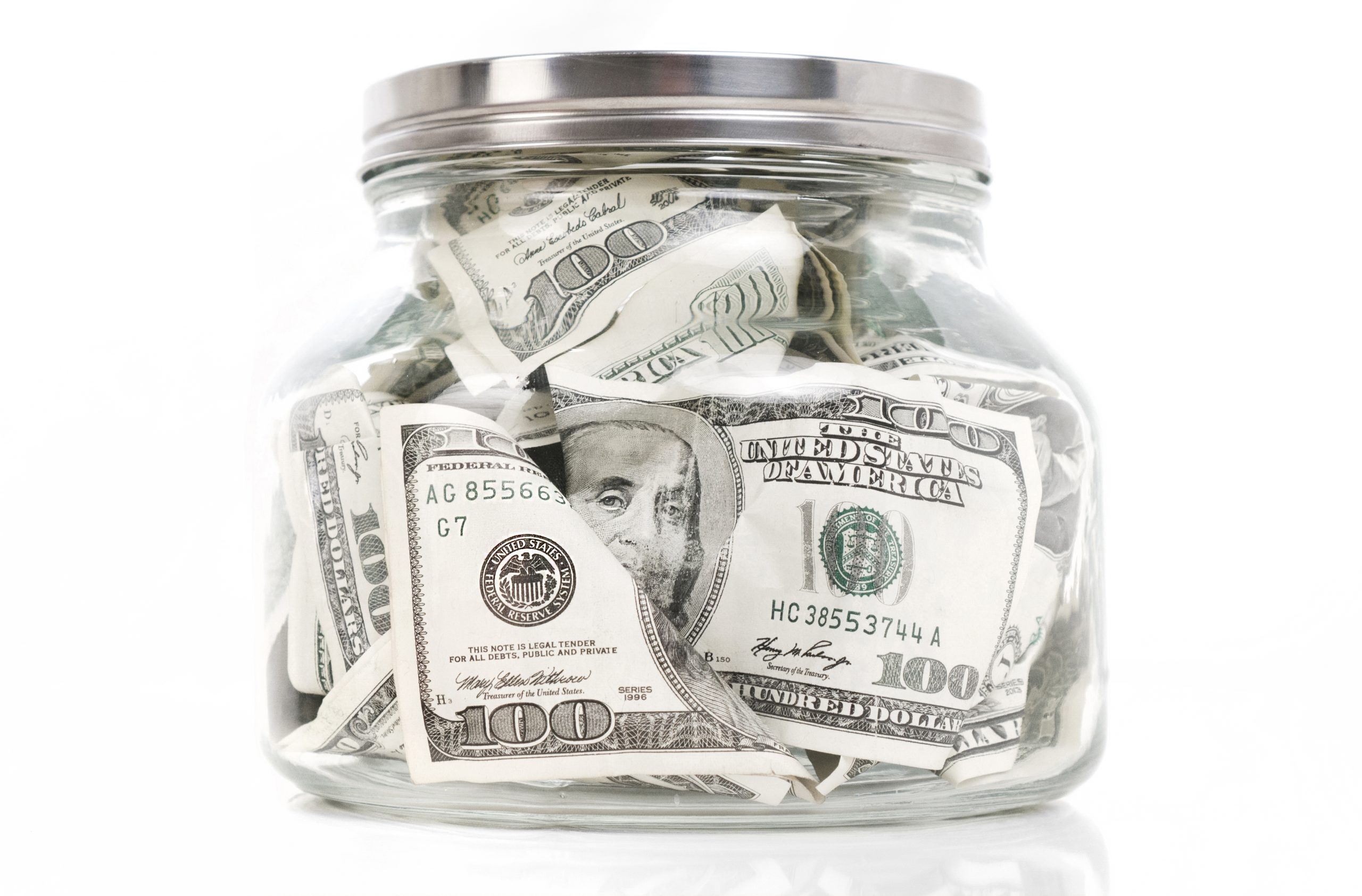
Do you keep a change jar?  My mom keeps all of her change and has been saving it for the last two years for a vacation.  She is not alone as many people hoard their change as a way to save money, especially if  they feel they’d otherwise be unable to.  However, just as many (or more) argue that keeping change is a waste of time and space.  Both sides have valid points; I find there are 5 benefits and drawbacks of keeping a change jar.

Benefits to Keeping a Change Jar

There are benefits to keeping a change jar, which is why so many people do so, even in this age of prevalent credit card usage.

Save for Something Special

5 Benefits and Drawbacks of Keeping a Change Jar
Photo by Deanna Ritchie on Unsplash

Have you ever seen the big five-gallon jugs that people use to collect their change?  One man saved for 10 years, and when he cashed it in, he had over $3,000, which he used for a trip to Europe.  Would he have saved that money without keeping his change?  He says no.  If you don’t have the discipline to save, keeping your change is a good, mindless way to save.

Cash Emergency Fund

Another woman saves her change for a rainy day.  She and her husband had an expensive car repair that they hadn’t planned for, and they robbed all of their budget categories to pay in cash for the expense.  That left her with no grocery money for her family of four for the month, so she raided her change jar.  She had $224 in there, which she used to feed her family.  It was still a tight month, but she didn’t go into debt, and her family didn’t go hungry.

Drawbacks to Keeping a Change Jar

Unfortunately, there are risks and expenses with saving this way.

Could Earn Interest

One of the major drawbacks to keeping all of your change in a jar for years is that you miss out on the interest you could be receiving.  Take the man who had $3,000 in change.  He could have invested his money as he saved and been earning interest.  He would have made more money than he did just leaving it in his closet.

May Lose It All

An even bigger drawback is that you have the potential to lose all of the change.  A friend of mine had about $120 in change she’d been saving, and, unfortunately, her house was robbed.  All of that money was gone.  Even if your house isn’t broken into, you could lose the money if you have a fire.  Even teens have been known to dig into their parents’ change jar for a little extra money.

You May Pay a Fee

A select few banks still offer coin counting machines for free, but many won’t take coin rolls.  If you have to rely on CoinStar, you’ll pay an 11.9% fee, so if you turn in $300 in change, you’ll pay $36 in processing fees.  If you need to pay a fee this high, is it still worthwhile to save your change?

Saving change has been a fun way to save money, but as these 5 benefits and drawbacks of keeping a change jar demonstrate,  it’s becoming increasingly costly.  If you can have enough self-discipline to save the money on your own in a bank or invest it, that is the better way to save.

Do you save your change? What benefits and drawbacks do you see?

Filed Under: Emergency Fund, Frugality, Saving

Things to Avoid When You’re Broke

November 25, 2019 By MelissaB Leave a Comment

Things to Avoid When You're Broke


Most of us have been there. You have three dollars in your checking account, and it’s five more days until payday. You may feel overwhelmed and not sure what to do. Unfortunately, many people in this circumstance feel that there is nothing to be done and, out of desperation, ignore their situation – continuing to live life as if their finances aren’t dire. However, all this does is make the situation worse. Instead, consider things to avoid when you’re broke so even if you’re not improving your situation, you’re not making it worse.

Things to Avoid When You’re Broke

Using Credit Cards

Things to Avoid When You're Broke
Photo by Blake Wisz on Unsplash

When you’re broke, credit cards can feel like a lifeline. For a while, at least until you reach your credit limit, you can continue to maintain your current lifestyle. But, this is a mistake! You’re broke! If you admit that and are frugal with your money, once your current financial hardship ends, you’ll be in a position to improve your finances. However, if you have to pay back thousands of dollars of debt, you’ll still be broke. Please don’t make this mistake.

Paying for Entertainment

Entertainment is expensive. Movie tickets cost $10 or more; a meal out costs $10 to $40, depending on where you dine. Netflix costs $13 a month. All of these expenses add up over 30 days. If you’re broke, don’t pay for your entertainment!

Go to the library and check out a movie for free. Attend a local free concert at the university. Invite friends over for board games.

Nobody says you can’t have fun when you’re broke, but find ways to be entertained that don’t cost any money.

Not Having a Budget

Burying your head in the sand is easy when you have no money. If you ignore the situation, it won’t exist, right? Wrong. Ideally, you should be budgeting every month, but this is even more important when you’re broke.

You have limited money, and you have to decide where that money should go. When you have a plan that you can follow, you’re much more likely to not overspend. Having a budget and following it is absolutely necessary when you’re broke so you don’t make your financial situation worse.

Hiding Your Situation

Don't Do These Things When You're Broke
Photo by Ali Tareq on Unsplash

Being broke is embarrassing, but being honest with your family and friends is the best way to handle the situation. If you’re not honest and you pretend that everything is fine, your friends may be offended when you repeatedly turn down invitations. If they know your situation, they may be more willing to find things you can do together without putting a financial strain on you.

Things to Remember When You’re Broke

Even though at the moment you may feel hopeless, remember that you’re likely not going to be broke forever. You will get a better job or have fewer expenses in the future (probably the former rather than the latter). Your financial situation will improve, but that improvement can come faster if you make sure to consider these things to avoid when you’re broke. Don’t make your future more difficult by making bad money decisions when money is tight!


Filed Under: General Finance Tagged With: money mistakes

  • « Previous Page
  • 1
  • …
  • 125
  • 126
  • 127
  • 128
  • 129
  • …
  • 171
  • Next Page »
  • Facebook
  • Pinterest
  • RSS
  • Twitter

Improve Your Credit Score

Money Blogs

  • Celebrating Financial Freedom
  • Christian PF
  • Dual Income No Kids
  • Financial Panther
  • Gajizmo.com
  • Lazy Man and Money
  • Make Money Your Way
  • Money Talks News
  • My Personal Finance Journey
  • Personal Profitability
  • PF Blogs
  • Reach Financial Independence
  • So Over Debt
  • The Savvy Scot
  • Yes, I am Cheap

Categories

Disclaimer

Please note that Beating Broke has financial relationships with some of the merchants mentioned here. Beating Broke may be compensated if consumers choose to utilize the links located throughout the content on this site and generate sales for the said merchant.

Visit Our Advertisers

Need to change careers? Consider an Accounting Certificate Program from WTI.