
Beating Broke

Personal Finance from the Broke Perspective

  • Home
  • About
  • We Recommend
  • Contact
  • Privacy Policy

Powered by Genesis

8 Financial Consequences of Living Amid California’s Wildfires

January 13, 2025 By Latrice Perez Leave a Comment

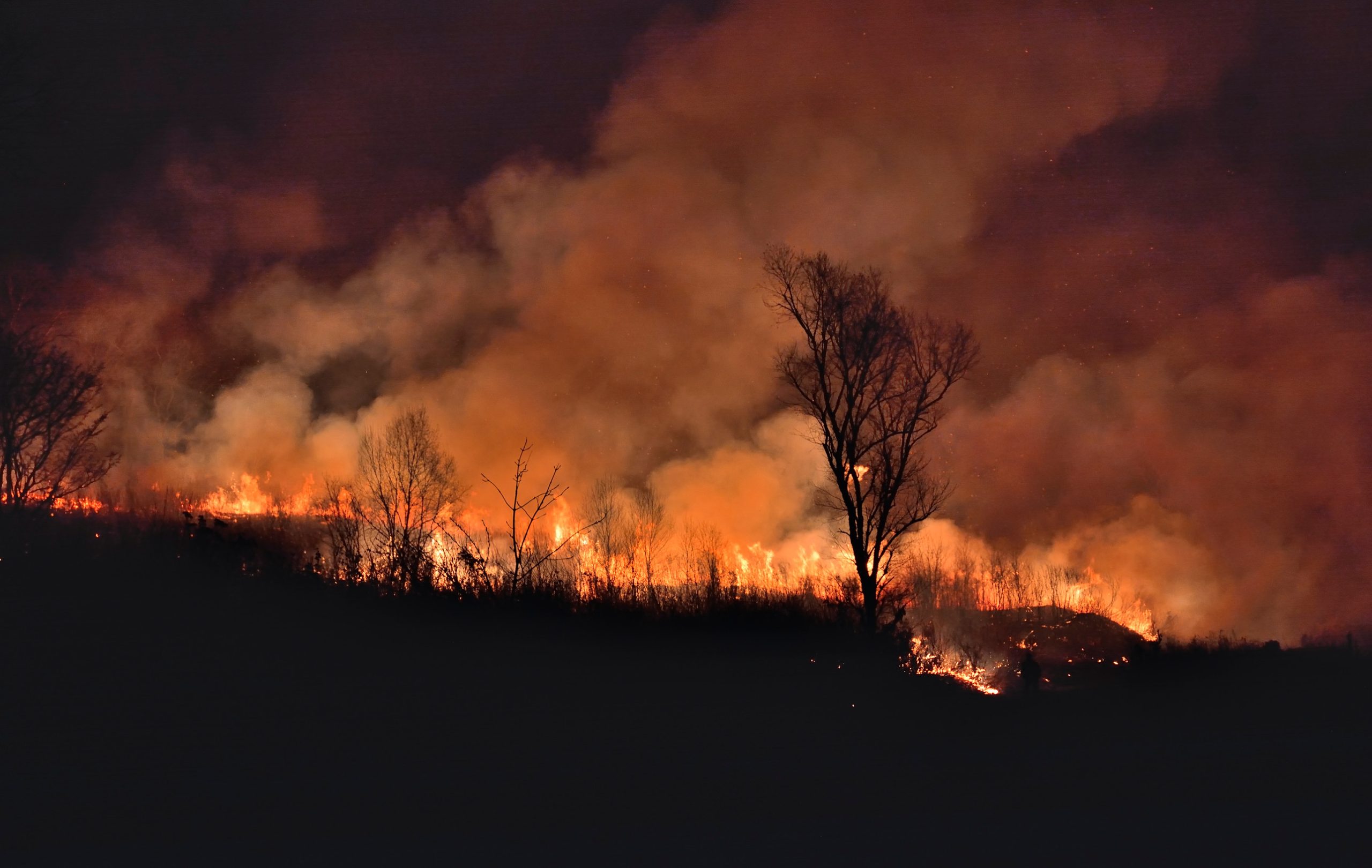
Wildfire
Image Source: 123rf.com

California’s wildfires have wreaked havoc in the state. According to Reuters, the current cost to insurers is now over $20 billion in damages.  These fires have not only devastated the environment but also imposed severe financial burdens on residents.

The increasing frequency and intensity of wildfires have led to soaring costs for homeowners, renters, and businesses alike. From skyrocketing insurance premiums to costly evacuations, the economic impact is impossible to ignore. Here are eight financial consequences that Californians face as they endure the challenges of living amid relentless wildfires.

1. Skyrocketing Insurance Premiums

One of the most immediate financial impacts of wildfires is the surge in home insurance premiums. Homeowners in high-risk areas are often forced to pay significantly more for coverage, with some policies doubling or even tripling in cost. In extreme cases, insurers may cancel policies altogether, leaving residents scrambling for alternatives. Many Californians turn to the state’s FAIR Plan, which offers basic fire insurance at a steep price but lacks comprehensive coverage. These escalating costs strain household budgets and make it increasingly difficult for families to stay insured.

2. Property Damage and Reconstruction Costs

Wildfires can destroy homes and infrastructure in a matter of minutes, leaving families with devastating losses. Even if insurance covers part of the damage, out-of-pocket costs for reconstruction and repairs can be overwhelming. Construction materials and labor costs have risen dramatically, further inflating rebuilding expenses. In some cases, residents are unable to rebuild due to zoning changes or financial constraints, forcing them to relocate. The emotional and financial toll of losing a home is often compounded by the challenge of starting over.

3. Evacuation Expenses

When wildfires threaten, evacuation becomes a necessity, often leading to unexpected costs. Temporary lodging, food, transportation, and other essentials can add up quickly, especially for extended evacuations. Many families also face income loss if they’re unable to work during this period. For those with pets or livestock, boarding and transportation costs can be significant. While safety is the top priority, these expenses place an additional financial burden on already stressed residents.

4. Health-Related Costs

The smoke and poor air quality caused by wildfires can lead to serious health issues, especially for children, the elderly, and those with preexisting conditions. Respiratory problems, allergies, and stress-related ailments often require medical attention, resulting in increased healthcare costs. Many residents invest in air purifiers, masks, and other protective equipment to mitigate the effects of smoke. These measures, while necessary, come at a financial cost. Long-term exposure to wildfire smoke also raises concerns about chronic health problems and associated expenses.

5. Declining Property Values

Living in a wildfire-prone area can significantly impact property values, making it harder to sell or refinance a home. Potential buyers are often deterred by the risks and high insurance premiums associated with these areas. Properties near recent wildfire zones may also face devaluation due to environmental damage and increased perception of risk. For homeowners, this means reduced equity and potential financial losses when trying to sell. Declining property values can also affect local economies, leading to reduced tax revenues and community resources.

6. Business Disruptions

Wildfires disrupt businesses by forcing closures, damaging infrastructure, and cutting off supply chains. Small businesses are particularly vulnerable, as they often lack the resources to recover quickly. Loss of income during fire-related closures can lead to layoffs and financial instability for employees. Even after the fires are contained, the road to recovery is long, with businesses facing rebuilding costs and reduced customer traffic. These disruptions ripple through local economies, affecting both business owners and workers.

7. Increased Utility Bills

lightbulbs sitting on top of money
Image Source: 123rf.com

Utility companies often pass on the costs of wildfire prevention and damage repairs to customers, resulting in higher bills. Efforts like clearing vegetation, upgrading infrastructure, and paying settlements for fire-related lawsuits are costly, and these expenses are frequently shifted to consumers. Residents in affected areas may also face power shutoffs during high-risk periods, leading to additional costs for generators and fuel. These rising utility expenses further strain household budgets. For many, it feels like paying more for less reliable service.

8. Emotional and Financial Strain on Families

The psychological toll of living with the constant threat of wildfires cannot be underestimated. Families face ongoing anxiety about evacuation orders, property damage, and health risks. This emotional strain often leads to financial consequences, as people may need counseling, take unpaid time off work, or make costly preparations to feel safer. The cumulative impact of these stresses can lead to burnout and long-term financial instability. Addressing both the emotional and financial challenges is crucial for resilience in wildfire-prone areas.

How to Protect Yourself Financially

Living amid California’s wildfires requires proactive financial planning and preparation. Review your insurance policies to ensure you have adequate coverage and explore disaster relief resources if needed. Create an emergency fund to cover evacuation costs and unexpected expenses. Invest in fire-resistant home improvements to reduce potential damage and possibly lower insurance premiums. Most importantly, stay informed and have a plan in place to protect both your finances and your family’s well-being.

Have you or anyone you know been affected by the wildfires? We are thinking of you and would love to hear your story.

Read More:

  • Tips to Find Cheap Home Insurance
  • New York or California? Choose Where to Move Next
Latrice Perez

Latrice is a dedicated professional with a rich background in social work, complemented by an Associate Degree in the field. Her journey has been uniquely shaped by the rewarding experience of being a stay-at-home mom to her two children, aged 13 and 5. This role has not only been a testament to her commitment to family but has also provided her with invaluable life lessons and insights.

As a mother, Latrice has embraced the opportunity to educate her children on essential life skills, with a special focus on financial literacy, the nuances of life, and the importance of inner peace.

Filed Under: Uncategorized Tagged With: business disruptions, California wildfires, evacuation expenses, financial impact, health costs, property damage, rising insurance costs, utility bills, wildfire preparation

My new favorite travel tool of 2025

December 31, 2024 By Susan Paige Leave a Comment

I love to travel and try to take a few domestic and at least one international trip each year. There’s just something about getting out there to explore that I love. Now, I’m not made of money and have to be pretty smart when it comes to booking travel. I’m very into the points game with loyalty and credit cards. However there are still lots of times that I must pay cash for flights and hotels. One of my new favorite tools I’ve found for saving on flights is Airfare Butler – a service that monitors your flight after you’ve booked. Here’s why I use it and why I recommend anybody that travels use it too.

The nature of flight prices

I’m going to say this and you’ll probably respond ‘yeah duh’ but airline flight prices rise and fall all the time. One day that flight to Cancun will be $700 and the next day it’ll be $500. Airlines are always changing prices to try to sell as many tickets as possible. You’ve probably used flight tracking tools like Google Flights – they are a great predicting tool. They’ll tell you if a price is high or low and what they think it’ll do moving forward.

However many people (myself included) will do all this research, book the flight and then forget about it. The truth is your flight could fall in price even after you book!

Airlines are getting more friendly with changes

During COVID, many airlines in an attempt to woo customers back eliminated many of the change fees they previously had in place to give you more flexibility in your travel plans as we all learned that flexibility is pretty important in our plans. These days you as long as you book above basic economy you’ll be able to change your flights without a change fee and you’re just responsible for the fare difference.

In the case of a flight drop – you can actually contact the airline, have them rebook and you can get a flight credit back. Or if you booked a refundable ticket you can actually get cash back. Airfare Butler has found over tracking hundreds of flights that 40% of them fall after people book. In most cases it’s a quick 10-15 minute process and the airline will issue you a credit that you can use for a future flight.

Why not DIY?

There are a few hacks out there to track your flight – a common one on social media is to use Google Flights and set a price alert. However I’ve found Google Flights notifies you a little too aggressively – sure there might be a cheaper flight but I’m not switching airlines and taking an 11pm flight vs a 11am flight. Or some people do have reminders to manually track their flights but Airfare Butler reports that flights might only stay low for 24-48 hours.

Some flights they track will be up for dozens of days, drop for 1 day and pop right back up. Sure you could track on your own but unless you’re doing it daily you’ll have to get lucky to catch the drop!

Why Airfare Butler is no risk

One of the things I love about Airfare Butler is that they only charge me if they save me money. One recent flight I had them track was to Sarasota Florida. It was $457 when I booked and I felt good about it. About two weeks after booking I got a note saying my flight had dropped $200 and it was now $257. I booked with Delta who make it super easy – right through the app I messaged them and within 10 minutes I had a flight credit for $200. I was rebooked on the same flight in the same seat. Airfare Butler then asked me for their fee which is 15% of the savings – so I paid them $30 to save me $200. Not bad! I’ve had other flights that don’t fall and I don’t get charged for those – only for when I save! If you are booking a flight this year I highly recommend using Airfare Butler – I’ve saved hundreds using them and you can too! Don’t overpay for flights and keep traveling more!

Filed Under: Uncategorized

Backpacking on a Budget: 10 States Where Your Dollar Goes the Farthest

December 18, 2024 By Teri Monroe Leave a Comment

Planning an affordable backpacking trip in the US
Image Source: Pexels

The United States might not be the first place you think of in the world for an affordable backpacking trip. However, there are so many iconic cities to visit and natural wonders to explore. While some places in the states are not as backpacker-friendly as others, there are many that are affordable and easy to navigate. Here we’ll discuss 10 states where with a little planning your dollar goes the farthest.

1. Louisiana

According to Statista, Louisiana is the most affordable state to backpack through in 2024. Results were based on the cost of three budget meals, a dorm bed at a hostel, two transportation rides, one paid cultural attraction, and three cheap beers as part of an entertainment budget. Not only is Louisiana affordable, but it also offers many cultural opportunities. There are also many backpacking trails and national parks throughout the state. Whether you’re looking for an experience in nature or you’d rather stroll the streets of the French Quarter, Louisiana has something for everyone.

2. Florida

Affordable backpacking in Florida
Image Source: Pexels

If done the right way, backpacking through Miami Beach can be affordable. Many of the city’s hostels are a stone’s throw from the beach. There’s also a free trolley throughout the city. Dining can be expensive in South Beach, but you can find many affordable meals in Little Havana. As far as inexpensive nightlife, the Wynwood design district has affordable bars and clubs.

3. Nevada

While you may not think of the city of Sin as being an affordable place to backpack, as long as you stay off of the Strip in Vegas there are many affordable options for travelers. Accommodations and food in the Arts District or Freemont Street are more affordable. Plus, there are awesome outdoor adventures outside of the city. You can hike through Red Rock Canyon and further north there’s the Valley of Fire State Park. If you do visit Las Vegas, take advantage of free activities like the botanical gardens or gallery of fine art inside The Bellagio.

4. Michigan

Affordable backpacking in Michigan
Image Source: Pexels

Especially in the Upper Peninsula, Michigan is a beautiful state to backpack through. There are gorgeous trails, lakes, and isolated beaches to see throughout the state. Since most of your backpacking adventure will be centered around the outdoors this state is an affordable trip. There are several options for accommodations including tents, cabins, and lodges. For a fun excursion, check out Mackinac Island.

5. Ohio

Backpacking in the Midwest is very affordable. Ohio is full of hills and valleys and is home to the Allegheny Plateau stretching across the southern and eastern parts of the state. Between Akron and Cleveland is Cuyahoga Valley National Park. There’s also Hocking Hills which is known for sandstone caves.

6. Tennessee

Downtown Nashville
Image Source: Pexels

You could spend a lot of time backpacking through Tennessee. If you stop in Nashville, the home of country music, make sure to spend some time in the honkey tonks on Honkey Tonk Highway. While Nashville proper is expensive, if you stay outside the city, you can save money. Surrounding towns like Franklin have plenty to do as well. You can take a tour of the Jack Daniels distillery or eat at iconic restaurants like the Loveless Café. Cumberland State Park is also a popular destination for backpackers.

7. North Carolina

There are several destinations in North Carolina that are good for backpacking on a budget. The best places to visit are the Boone and Asheville areas. Downtown Asheville has a vibrant arts, music, and brewery scene. You can also find affordable accommodations like camping sites or cabins outside the city in smaller towns like Boone.

8. Arizona

Backpacking through the Grand Canyon
Image Source: Pexels

Of course, an iconic backpacking trip is to explore the Grand Canyon. You can take advantage of guided ranger-led hikes of the South and North Rim. As far as lodging there are many affordable options and there is a shuttle service throughout the national park.

9. Illinois

Nestled in Southern Illinois between the Mississippi and Ohio Rivers, the Shawnee National Forest is a popular destination. You’ll find hickory forests, wetlands,  canyons, and a variety of other geological features. If you’re looking for a challenge, the 200-mile Great Chicago Thru-Hike is on many bucket lists.

10. New York

New York City
Image Source: Pexels

While New York City isn’t very affordable, it can be done on a budget. Focus on to-go food like pizza and bagels and free attractions to affordably backpack through the city. You can stroll through Central Park, visit Chelsea Market, and see where the ball drops on New Year’s Eve in Times Square. For nature enthusiasts, the Appalachian Trail has more than 2,100 miles of rolling hills and peaks.

Affordable Backpacking Through The US

With so many options right here in the States, you don’t have to go to Europe to have a backpacking adventure. These 10 locations can easily be explored for less than $100 a day. With research and planning, you can affordably backpack through breathtaking landscapes and iconic cities.

Where have you backpacked through and what is your next trip to?

Read More

  • Tips to Find Cheap Home Insurance
  • Can You Use Your Mexican Costco Membership in the USA?
Teri Monroe Headshot
Teri Monroe

Teri Monroe started her career in communications working for local government and nonprofits. Today, she is a freelance finance and lifestyle writer and small business owner. In her spare time, she loves golfing with her husband, taking her dog Milo on long walks, and playing pickleball with friends.

Filed Under: Uncategorized Tagged With: affordable backpacking trips, backpacking, backpacking in the united states, backpacking trip

  • « Previous Page
  • 1
  • …
  • 6
  • 7
  • 8
  • 9
  • 10
  • …
  • 56
  • Next Page »
  • Facebook
  • Pinterest
  • RSS
  • Twitter

Improve Your Credit Score

Money Blogs

  • Celebrating Financial Freedom
  • Christian PF
  • Dual Income No Kids
  • Financial Panther
  • Gajizmo.com
  • Lazy Man and Money
  • Make Money Your Way
  • Money Talks News
  • My Personal Finance Journey
  • Personal Profitability
  • PF Blogs
  • Reach Financial Independence
  • So Over Debt
  • The Savvy Scot
  • Yes, I am Cheap

Categories

Disclaimer

Please note that Beating Broke has financial relationships with some of the merchants mentioned here. Beating Broke may be compensated if consumers choose to utilize the links located throughout the content on this site and generate sales for the said merchant.

Visit Our Advertisers

Need to change careers? Consider an Accounting Certificate Program from WTI.